
They may be able to advise you on how often and how much alcohol you can consume safely. For example, a blood clot can form elsewhere in the body and travel to the heart, lungs, or brain. This type of blockage can lead to life-threatening conditions such as pulmonary embolism, stroke, or heart attack. Blood-clotting in the circulatory system is referred to as thrombosis. Yet because of this effect, drinking alcohol could potentially increase your risk for the bleeding type of strokes — especially when you drink it in large quantities. Alcohol use — especially in excess — can also pose other risks to your health.
What Happens When You Drink Alcohol and Blood Thinners?
However, when used with alcohol, caffeine does not reduce the effects of alcohol on your body. A review of research published in the journal Hypertension adds to mounting evidence suggesting that even light drinking may be enough to increase blood pressure is alcohol a blood thinner over time. In one study of metoprolol, researchers looked at the interaction of alcohol and the beta-blocker in a lab. At the 2-hour mark, they found that the capsule had released 89% of the drug with 40% alcohol compared with just 17% with 5% alcohol.
- Naloxone can rapidly reverse opioid overdose by quickly restoring normal respiration to a person whose breathing has slowed or stopped due to mixing opioid pain medications with alcohol.
- When it comes to protecting you from a possible devastating blood clot, your provider will let you know if a blood thinner is right for you and will talk with you about which kind is your best option.
- Always be honest with your doctor about your relationship with alcohol before you start taking any medication.
Talking to Your Healthcare Provider
This finding suggests that very potent drinks may make the drug work differently. Spices such as ginger turmeric, cinnamon, and cayenne pepper have blood-thinning properties as do vitamin K-rich foods such as green leafy vegetables, liver, egg yolks, and mature cheese. However, it is important you keep your diet stable if you are on blood thinners, especially when taking Warfarin. In most cases, taking a low dose of aspirin, and drinking responsibly should not be dangerous. However, if you drink too much alcohol with aspirin, it can cause nausea and vomiting, heartburn, stomach ulcers, and gastrointestinal bleeding.
Caffeinated alcoholic beverages
Long-term excessive alcohol consumption can also cause complications such as cardiovascular disease, high blood pressure, and stroke. For those on blood thinners, it’s crucial to consult with a healthcare provider to understand personal risks and receive individualized advice on alcohol consumption. Some may need to limit their intake more severely or abstain altogether, depending on their medical history and treatment plan.
What are the age-related risk factors of alcohol on blood pressure?
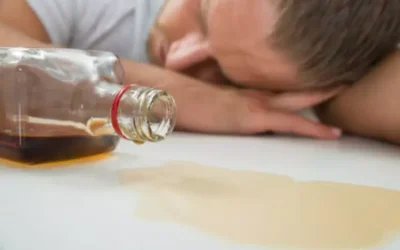
It is used to prevent or treat blood clots in veins, arteries, or the heart, which can reduce the risk of stroke, heart attack, or other serious conditions. Given these potential risks, it is crucial for individuals on blood thinners to moderate their alcohol intake and consult with their healthcare provider for personalized advice. The National Institutes of Health also highlights the importance of understanding alcohol-medication interactions to prevent adverse health effects. Additionally, alcohol’s impact on the liver can lead to hematologic complications, affecting the body’s ability to manage bleeding and clotting ( source ).
Are All Blood Thinners Anticoagulants?
The Relationship Between Energy Drinks and Risk of Stroke – Verywell Health
The Relationship Between Energy Drinks and Risk of Stroke.
Posted: Wed, 06 Mar 2024 08:00:00 GMT [source]
We may be paid a fee for marketing or advertising by organizations that can assist with treating people with substance use disorders. Consuming alcohol leads to a lower number of blood platelets because the substance hinders the bone marrow’s ability to produce these cells. It also changes their physical makeup, making them less sticky and therefore less able to stick together and form a clot. If you do decide to drink while taking warfarin, you should only drink occasionally.
- Mixing these medications with alcohol intensifies the side effects and increases the risk of a fatal overdose.
- However, if you consume large amounts of alcohol at one time or drink alcohol on a daily basis, be sure to discuss this with your doctor.
- There are hundreds of prescription and over-the-counter medications that are not safe to mix with alcohol.
- Although there is limited research around this subject, the effects of beta-blockers and alcohol mean that people should be extremely cautious when taking them together.
Does Alcohol Thin Your Blood? Risks of Alcohol and Blood Thinners
Alcohol consumption can significantly affect blood coagulation, a process critical for preventing excessive bleeding and for healing wounds. Studies have shown that alcohol, especially when consumed in large amounts, can disrupt the normal coagulation process, leading to both increased bleeding risks and, paradoxically, thrombotic events. Additionally, the authors discussed older studies that suggested binge drinking can cause temporary increases in blood pressure. They also highlighted that long-term heavy drinking and binge drinking may increase someone’s risk of various cardiovascular conditions. People taking blood thinners with reduced liver function may accumulate more medication in their bloodstream.
Want the best price on eliquis?
A 2006 Harvard study found that moderate alcohol use did not have a significant negative effect on the livers of men taking statins after heart surgery. Certain types of anti-nausea medication can be used to help someone who is trying to stop drinking alcohol. When used under medical supervision, the combination can be an effective way to treat alcohol withdrawal. In addition to worsening the side effects of antidepressant medications, mixing these drugs with alcohol can also make symptoms of depression worse. It’s important to note that this list is not exhaustive and may not include every medication you are taking. If you are not sure if you can safely drink alcohol while taking a certain medication, read the label carefully and consult with a pharmacist or doctor.
- In addition to decreasing the effectiveness of beta-blockers, alcohol may increase the risk of the more severe effects of these drugs.
- These medications are essential in treating conditions where blood clots pose a significant threat, such as atrial fibrillation, deep vein thrombosis (DVT), and pulmonary embolism.
- The combination of medication and alcohol can lead to serious health consequences, including overdose and even death.
- Blood-clotting in the circulatory system is referred to as thrombosis.
- “It’s generally advisable to avoid drinking alcohol when taking medications,” says psychiatric clinical pharmacist Mei T. Liu, PharmD, BCPP.
Other medications in this category include Xarelto (rivaroxaban), Savaysa (edoxaban), and Arixtra (fondaparinux). Factor Xa inhibitors have an anticoagulation effect by blocking factor Xa, which therefore helps decrease blood clot production. Dr. Harb Harb is a non-invasive cardiologist working within the Northwell Health System in New York, specifically at the North Shore University Hospital, affiliated with Hofstra University. Dr. Harb moved to New York City, choosing a career path in academic medicine as an assistant professor at the Donald and Barbara Zucker School of Medicine at Hofstra/Northwell. There, he teaches and works with cardiovascular and medical trainees as well as medical students.